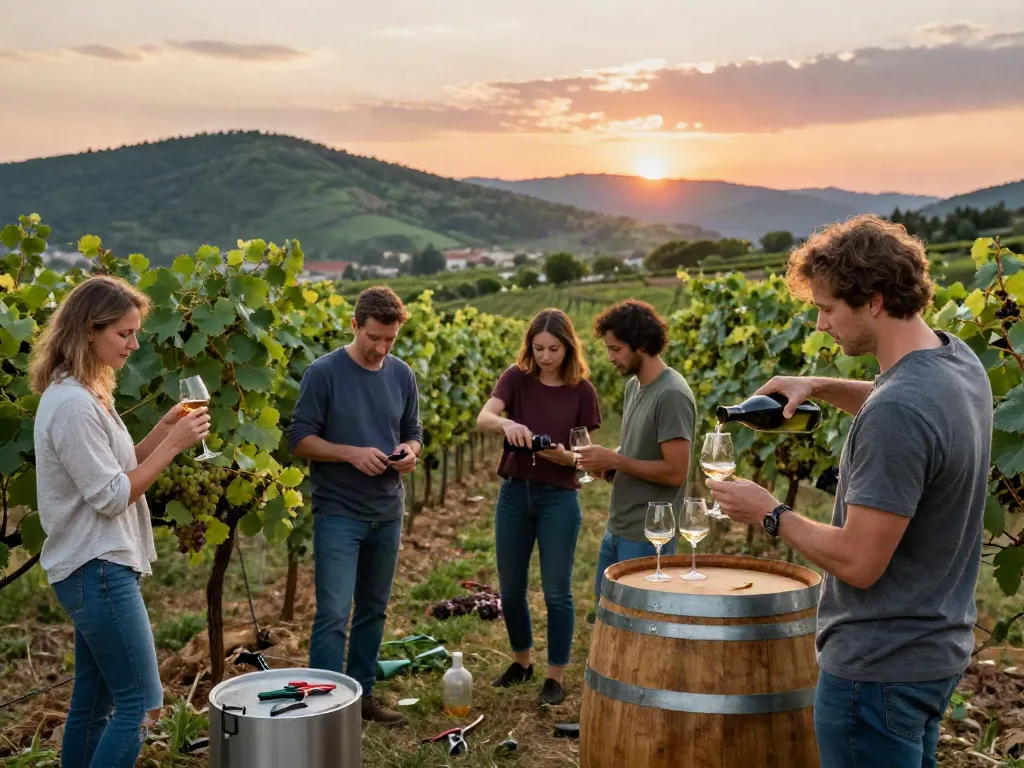
The Rise of Collaborative Winemaking at avpwinecollective.com
In recent years, the wine industry has witnessed a marked shift towards collaborative winemaking, with collectives emerging as a key player in nurturing emerging winemakers. One such initiative making waves in the Pacific Northwest is avpwinecollective.com, which provides a supportive environment for novice vintners to hone their craft while simultaneously championing sustainability and innovation. This sector stands as a dynamic hub for creativity in viticulture, reflecting a broader trend towards community engagement in the winemaking process.
Understanding the Collective Model in 2026
The collective model in winemaking represents a radical departure from traditional winery approaches, blurring the lines between independent and collaborative efforts. At its core, the model is about shared resources, knowledge, and talents. In 2026, we see this structure evolving rapidly, with AVP Wine Collective leading the way. This model allows smaller wineries to benefit from the infrastructure and expertise that larger operations can provide, creating a symbiotic relationship that ultimately benefits the consumer.
Benefits for Emerging Winemakers
For emerging winemakers, the advantages of joining a collective are expansive. First and foremost, they gain access to professional-grade equipment and facilities without the exorbitant costs associated with setting up a winery independently. This setup not only lowers the financial barrier to entry but also fosters an environment where winemakers can share their experiences and learn from one another. Additionally, collectives often provide marketing support and distribution networks, enabling their members to reach wider audiences more effectively.
Real-World Success Stories from the Collective
One notable success story from AVP Wine Collective is the partnership between several small-scale producers who, through shared knowledge and resources, have created award-winning wines recognized both regionally and nationally. These collaborations not only enhance the visibility of individual brands but also promote a culture of excellence and innovation among all participants.
Innovative Practices in Sustainable Winemaking
As climate change continues to impact agricultural practices globally, the wine industry is seeking innovative ways to mitigate environmental effects while maintaining high-quality production. AVP Wine Collective exemplifies this commitment to sustainability by integrating green technologies across all phases of the winemaking process.
Adopting Green Technologies for Efficiency
From solar power systems that reduce reliance on non-renewable energy sources to water reclamation systems that minimize waste, the strategies employed by the collective are paving the way for eco-conscious practices in winemaking. Many member wineries within AVP are embracing these technologies, showcasing that profit and sustainability can go hand-in-hand.
Sourcing Local Ingredients and Their Impact
Another significant aspect of sustainable winemaking is the sourcing of local ingredients. By using grapes and other materials from nearby regions, winemakers can reduce their carbon footprint and support local agriculture. This practice not only strengthens community ties but also enhances the character of the wine, giving it a unique sense of place that resonates with consumers.
Measuring Environmental Impact and Success
To ensure that their sustainable practices are effective, AVP Wine Collective employs metrics to assess their environmental impact continually. Through quantitative data tracking—including energy consumption and waste generation—collective members can identify areas for improvement and celebrate successes in their sustainability journeys.
Challenges Faced by New Wineries and How to Overcome Them
Despite the many advantages provided by collaborative winemaking, challenges remain. New wineries must navigate fierce market competition, regulatory landscapes, and fundraising hurdles that can impede their progress. Understanding these obstacles is crucial for success.
Understanding Market Competition
The wine industry is fraught with competition, making it essential for newcomers to carve out a niche. By leveraging the collective's marketing resources and engagement strategies, emerging winemakers can better position themselves in the market. This includes differentiating their products through unique branding and storytelling that resonates with consumers.
Navigating Regulations in the Wine Industry
Compliance with local, state, and federal regulations can be a daunting task for new wineries. AVP Wine Collective helps its members stay informed about legal requirements, providing guidance on everything from labeling to health regulations. This support ensures that emerging winemakers can focus on their craft rather than getting bogged down by red tape.
Fundraising and Resource Allocation Strategies
Securing sufficient funding is a recurring challenge in the winemaking industry. To combat this, AVP Wine Collective offers workshops on fundraising techniques and resource management, helping members to devise effective strategies for financial sustainability. By sharing insights into successful grant applications and investment pitches, the collective empowers aspiring winemakers to seek out necessary capital.
Future Trends in the Wine Industry through 2026
The wine industry is poised for transformative change as we move deeper into 2026. Innovations in technology, shifts in consumer preferences, and emerging market trends are all set to redefine the landscape.
The Role of Technology in Winemaking
Advancements in technology are rapidly changing how wine is produced, from vineyard management software to artificial intelligence in fermentation processes. These innovations allow winemakers to optimize their operations, producing higher-quality wines more consistently. Collectives that embrace these technologies will have a distinct competitive edge in the market.
Shifts in Consumer Preferences and Buying Behavior
Today's consumers are more discerning than ever, often seeking wines that align with their values regarding sustainability and ethical production. This shift is driving demand for transparent sourcing practices and environmentally-friendly production methods. As a result, collectives like AVP are well-positioned to meet these evolving preferences by prioritizing sustainability and high-quality artisanal methods.
Predictions for the Future of Wine Collectives
Looking ahead, the future of wine collectives appears promising, with many experts predicting that they will become integral components of the wine industry. This trend will likely be fueled by greater consumer awareness of the advantages of collaborative production models, which emphasize quality, community involvement, and sustainability.
Building a Successful Brand as an Emerging Winemaker
Brand development is critical for emerging winemakers, especially when entering an increasingly competitive arena. Creating a unique and memorable brand can be a game-changer.
Effective Marketing Strategies for Wine Brands
Utilizing creative marketing strategies is essential for standing out. This can include leveraging social media platforms, engaging in regional wine festivals, or collaborating on events with other members of the collective to enhance visibility. Each touchpoint is an opportunity to attract new customers and build lasting relationships.
Engaging with Your Community and Audience
Emerging winemakers should prioritize community engagement as a core tenet of their brand strategy. Hosting tasting events, offering vineyard tours, or participating in local markets can create a loyal customer base while fostering connections. This community-centric approach enhances brand identity and solidifies a winery's presence in the local landscape.
Leveraging Online Platforms for Brand Growth
In a digital-first world, a strong online presence is vital for growth. Emerging winemakers should invest in user-friendly websites and utilize e-commerce platforms to reach consumers directly. By sharing compelling narratives about their wines—paired with engaging visuals—wineries can cultivate an online following and increase sales.
What is avpwinecollective.com?
AVP Wine Collective is a unique cooperative winery that aims to democratize winemaking by providing budding winemakers with the resources and support necessary for success. Its focus on sustainable practices and community engagement makes it a standout in the industry.
How can I join avpwinecollective.com?
Joining AVP Wine Collective typically involves an application process, where interested winemakers can demonstrate their commitment to quality and sustainability. This ensures that all members share similar values and goals.
What are the benefits of collaborative winemaking?
Collaborative winemaking allows participants to share resources, knowledge, and networks, significantly reducing operational costs while enhancing overall quality. The vibrancy and creativity that come from collaboration can lead to innovative wine styles and stronger market positioning.
What technologies are being used at avpwinecollective.com?
AVP Wine Collective employs a range of modern technologies, including eco-friendly fermentation practices, data-driven vineyard management tools, and advanced marketing analytics systems that help members optimize their production and marketing efforts.
How is avpwinecollective.com contributing to sustainability?
Through sustainable practices such as local sourcing, water conservation, and the adoption of renewable energy sources, AVP Wine Collective demonstrates a strong commitment to environmental stewardship, shaping a future for winemaking that prioritizes the planet.