
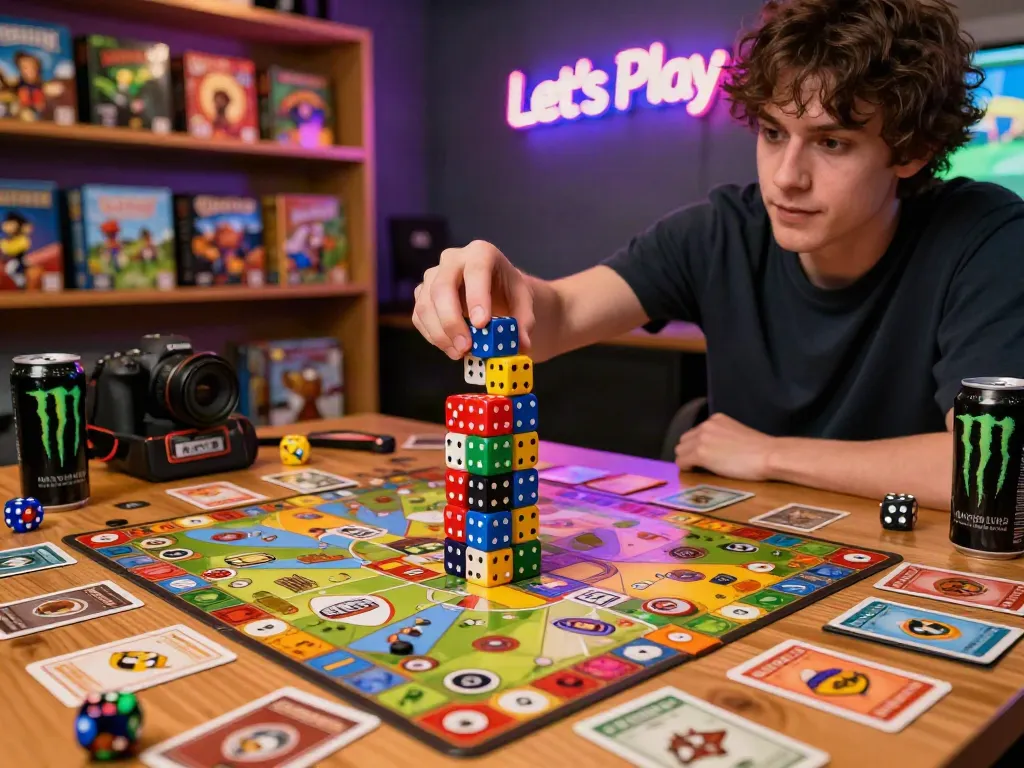
The Art of Dice Stacking: A Historical Perspective
Dice stacking, a captivating blend of skill and performance art, has fascinated audiences across the globe for centuries. This intricate practice involves skillfully stacking dice in a vertical column, often using only a dice cup to scoop them from a flat surface. As we explore the rich history of dice stacking, its evolution from a casual pastime to a competitive sport becomes evident. The ongoing growth of this art form offers insights into cultural significance, competitive spirit, and community engagement, making it an intrinsic part of gaming history.
Origins of Dice Stacking Techniques
The roots of dice stacking can be traced back to ancient civilizations where dice were first used. Though early games with dice primarily focused on chance, performers soon began to experiment with techniques to enhance their gameplay and amuse spectators. Historical records indicate that in cultures such as Mesopotamia and Egypt, dice were often made from materials such as bones or wood, and their use evolved into a form of entertainment. The modern interpretation of dice stacking has been influenced by various performance arts, particularly juggling.
Evolution of Dice Stacking in Competitive Gaming
As interest in competitive gaming surged, so did the organized practice of dice stacking. In the late 20th century, tournaments began to form, showcasing talent from around the world. Today, events can attract hundreds of participants, highlighting advanced techniques and speed stacking strategies. A shift has occurred whereby dice stacking is no longer merely a performance but is now recognized as a competitive sport, leading to the establishment of various leagues and associations. For enthusiasts seeking to deepen their understanding of this evolving sport, resources such as dicestack.net provide comprehensive insights into techniques and competitions.
Cultural Significance of Dice Games Worldwide
Dice games have held significant cultural importance throughout history. From the ancient Romans, who incorporated dice into gambling, to the modern gaming landscape, dice stacking showcases a unique intersection of skill and chance. Different regions celebrate this art form in various ways, which aids in preserving local traditions while fostering a global community of players. Events like the World Dice Stacking Championships not only highlight talent but also contribute to cultural exchange and awareness.
Mastering the Basics of Dice Stacking
For beginners seeking to delve into the world of dice stacking, mastering the fundamentals is crucial. Whether you're practicing for fun or preparing for competition, understanding the essential tools and techniques can significantly enhance your performance. Below are key insights that will help you start your journey into this intriguing skill.
Essential Tools and Equipment for Beginners
An essential set of tools for aspiring dice stackers includes a standard set of dice, ideally ones that are uniform in size and weight. Quality dice are critical for achieving consistency in stacking. In addition to dice, a sturdy dice cup is a must-have for smoother scooping and stacking. Beginners should also consider practicing on a flat, even surface to minimize the chances of accidental tumbles as they refine their skills.
Fundamental Techniques to Get Started
Starting with the basics, mastering the “scoop” technique is fundamental. This involves using the dice cup to grab multiple dice from the table quickly. Practice lifting the cup without dropping the dice, and then gradually stack them one by one. Consistency will come with repetition, so be patient and embrace the slow progression. The importance of maintaining a steady hand and a calm mindset cannot be overstated, as precision is vital in this sport.
Common Mistakes and How to Avoid Them
New stackers often make mistakes that can hinder their progress. One prevalent issue is using improperly balanced dice, which can lead to uneven stacks. To avoid this, always inspect your dice for any imperfections. Additionally, many beginners rush their stacking attempts. Taking the time to establish a stable base and stacking slowly can prevent accidents and build confidence in your technique.
Advanced Strategies for Competitive Dice Stacking
Once the foundational skills are mastered, advancing to more complex techniques can significantly enhance your performance in competitions. Experienced stackers employ various methods to improve their speed and stability, pushing the boundaries of what can be achieved with this art form.
Techniques Used by Professional Stackers
Professional dice stackers often utilize techniques such as the "fast stack" and "tower build" methods. The fast stack technique involves rapid scooping and stacking, focusing on speed without sacrificing accuracy. On the other hand, tower building requires precision and the ability to create taller, more complex structures. Analyzing the stacking styles of top-tier competitors can provide aspiring stackers with unique insights into achieving similar success.
Analyzing and Improving Your Stacking Speed
Improving stacking speed is a matter of practice and technique refinement. By utilizing stopwatches to time your stacking sessions, you can gauge improvement over time. Additionally, focusing on hand-eye coordination through targeted drills can enhance overall performance. Engaging with online communities for tips and techniques can create a network of support and camaraderie.
Training Drills to Enhance Your Skills
Incorporating drills into your training regimen is essential for skill enhancement. Techniques such as timed stacking drills, where you attempt to beat your previous best time, can provide motivation and measurable progress. Regular practice sessions with peers not only makes training more enjoyable but also allows for constructive feedback, enabling you to learn from mistakes and celebrate successes together.
The Role of Community and Competitions
The dice stacking community plays a vital role in fostering talent and encouraging participation. Local clubs, online forums, and social media groups provide platforms for sharing experiences, tips, and competition information. Collaboration and support within these communities not only nurture individual skills but also promote the sport as a whole.
Finding and Joining Local Dice Stacking Clubs
Finding a local club can significantly enhance your dice stacking journey. These organizations often host events and competitions, providing an excellent way to meet fellow enthusiasts. Local clubs typically offer workshops for new members and can be a great resource for learning advanced techniques. Online platforms and social media can help locate these clubs, as many maintain active profiles to share news and events.
Major Competitions and Events to Participate In
Participating in competitions is a crucial aspect of the dice stacking experience. Events such as the Worldwide Dice Stacking Championship and regional tournaments welcome stackers of all skill levels. These events provide a chance to compete, learn, and connect with others who share your passion. Moreover, they reflect the growing popularity of dice stacking as a legitimate form of competitive gaming.
Building a Supportive Network Among Stackers
Creating connections within the dice stacking community can inspire growth and improvement. Whether through local clubs or online forums, networking allows for sharing experiences and learning from one another. Encourage collaboration, attend events together, and celebrate each other's achievements to strengthen bonds within the community.
Future Trends in Dice Stacking and Gaming
As we look to the future, several trends are beginning to emerge within the dice stacking community and the broader gaming industry. These trends are anticipated to shape the landscape of dice stacking for years to come, potentially changing how enthusiasts approach the sport.
Emerging Technologies in Game Design
Advancements in technology are playing an increasing role in the development of gaming experiences. Virtual reality (VR) and augmented reality (AR) are beginning to impact how players interact with dice stacking, introducing new methods for practice and competition. These technologies can simulate different environments, challenging players to adapt their techniques in versatile gaming scenarios.
The Rise of Esports in Dice-Based Games
The esports phenomenon continues to grow and has begun to touch upon various traditional games, including dice-related competitions. As more players engage with online platforms, die-casting games and stacking tournaments could find their place within the esports landscape, creating exciting opportunities for gamers to showcase their skills on a global scale.
Future Predictions for Dice Stacking in 2026 and Beyond
Looking ahead to 2026, we can expect continued evolution within the dice stacking realm. As disciplines like skill-based gaming intertwine with entertainment, the popularity of stacking competitions will likely soar. Moreover, the advent of new game formats may revolutionize traditional stacking methods, allowing for innovative approaches to competition and performance.
What Equipment Innovations Should You Expect?
As the sport evolves, equipment will likely undergo transformation as well. Innovations may include specially designed dice that optimize stacking ability or high-tech dice cups featuring built-in sensors to improve scooping accuracy. Staying abreast of these innovations can offer enthusiasts a competitive edge and encourage the community to adapt to new trends.