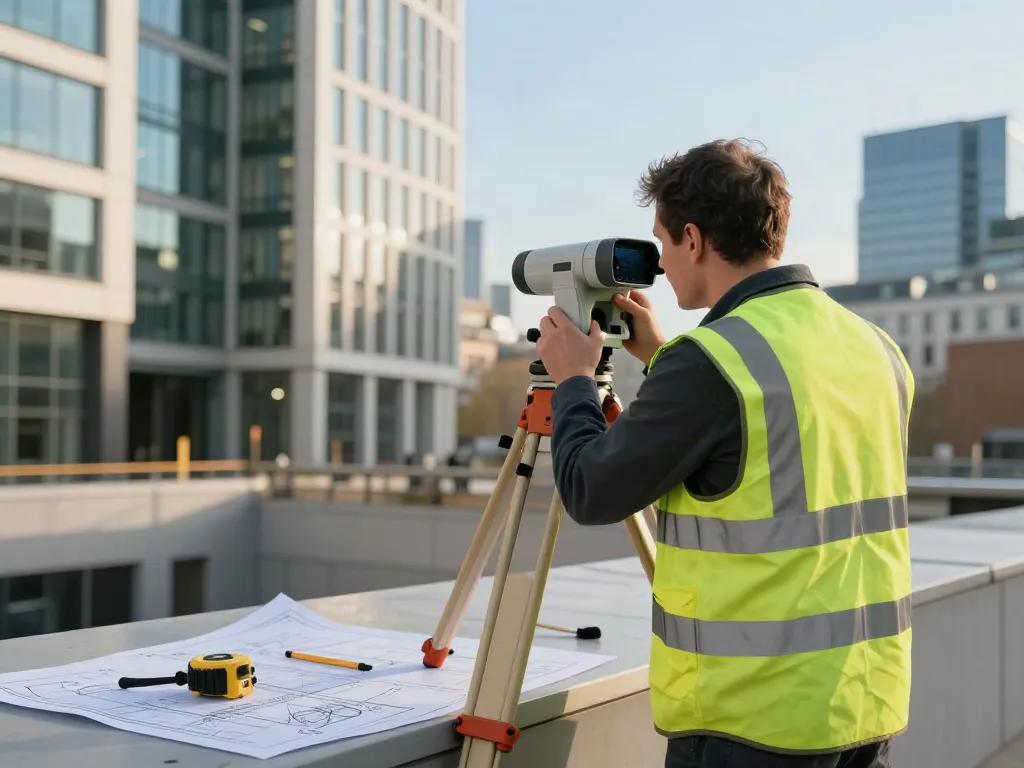
Understanding Measured Building Surveys
Measured building surveys are essential for accurate planning and construction in any development project. They involve the detailed documentation of a building’s dimensions and features, providing vital information that supports architects, developers, and engineers in their designs and renovations. These surveys represent a critical first step that sets the foundation for subsequent phases of construction. When exploring options, Measured Building Survey London provides comprehensive insights to ensure that your project is built on solid ground.
What is a Measured Building Survey?
A measured building survey is a process used to create precise drawings of a property, including floor plans, elevations, and sections. The primary goal is to capture the physical dimensions and spatial characteristics of a building accurately. These surveys are typically conducted using advanced technologies such as laser scanning or traditional measuring techniques, depending on the project’s requirements and complexity. They serve as a fundamental tool for architects and builders, enabling them to visualize the existing conditions of a site.
Importance of Accurate Measurements in Construction
In construction, accuracy is paramount. Errors in measurement can lead to significant problems, including structural issues, costly delays, and compliance failures. Accurate surveys help prevent disputes and misinterpretations during the construction process. By relying on precise data, stakeholders can make informed decisions that enhance the overall efficiency and safety of the project while adhering to local regulations and standards.
Key Technologies Used in Surveying
Modern surveying techniques leverage cutting-edge technology to ensure high quality and precision. Laser scanning, for example, allows surveyors to capture millions of data points in just a few minutes, creating a detailed 3D representation of the surveyed area. Combined with sophisticated CAD software, these technologies enable the production of highly accurate and easily modifiable drawings that can be used throughout a project’s lifecycle.
Benefits of Hiring Professional Surveyors
Hiring professional surveyors offers a range of benefits that go beyond just obtaining measurements. With years of experience and expertise, professional surveyors can deliver invaluable insights and advice that can help shape your project effectively.
Expertise in Delivering High-Quality Surveys
Professional surveyors possess the necessary training and expertise to perform comprehensive measures that meet industry standards. Their familiarity with various surveying techniques allows them to choose the most appropriate method for each project, ensuring optimal results. This expertise is critical, especially for complex projects where minor errors can have significant consequences.
Cost-Effective Solutions for Your Project
While some may consider measured building surveys an unnecessary expense, investing in quality surveying services can save money in the long run. Accurate surveys reduce the likelihood of costly errors during construction, which can lead to budget overruns and extended timelines. By addressing potential issues early in the process, developers can avoid disputes and the need for rework, ultimately delivering projects on time and within budget.
Regulatory Compliance and Safety Considerations
In the UK, building regulations require compliance with various safety standards. Professional surveyors are well-versed in these regulations and can help ensure that your project adheres to all necessary legal requirements. This compliance not only safeguards the structural integrity of a building but also protects the wellbeing of its occupants.
Measuring Techniques and Tools
The choice of measuring technique and tools greatly influences the quality of the survey results. Understanding these methods is essential for anyone looking to undertake a successful building survey.
Laser Scanning vs. Traditional Methods
Laser scanning technology has revolutionized the surveying industry. Unlike traditional methods, which often rely on manual measurements, laser scanning captures extensive and precise data quickly and efficiently. This technology reduces human error and allows for the collection of rich, detailed information in a fraction of the time. However, traditional methods still hold value in smaller or less complex sites where advanced technology may not be warranted.
The Role of CAD Software in Surveying
Computer-Aided Design (CAD) software plays a crucial role in modern measured building surveys. CAD tools allow surveyors to translate raw data from surveys into coherent and functional drawings. These drawings can be further manipulated and used for various purposes, such as planning, design, and documentation. The integration of CAD software enhances collaboration between different stakeholders and streamlines the overall workflow of construction projects.
Choosing the Right Equipment for Your Needs
Selecting appropriate surveying equipment is vital for delivering accurate results. Factors to consider include the size and complexity of the project, the level of detail required, and the specific conditions of the site. Engaging an experienced measured building surveyor can guide you in selecting the right tools, ensuring that the survey meets all necessary standards of accuracy.
Common Challenges and Solutions
While measured building surveys are invaluable for successful project execution, they can present several challenges, especially in urban environments.
Issues Faced During Surveys in Urban Areas
Urban areas often pose unique challenges for surveying due to dense construction, limited access, and potential disruptions from traffic and pedestrians. Surveyors must navigate these obstacles carefully to obtain accurate measurements. Implementing strategic planning and using equipment designed for urban environments can help mitigate these challenges.
Addressing Planning Constraints and Limitations
Another common challenge is dealing with planning constraints and limitations set by local authorities. These constraints may involve restrictions on how and when surveys can be conducted, especially in heritage or listed buildings. Engaging with local authorities early in the process can help surveyors anticipate these limitations and adapt their methods accordingly.
Real-World Case Studies of Successful Surveys
Case studies are effective in illustrating how professional measured building surveys lead to successful project outcomes. For example, a recent project in Central London required a detailed survey of an existing office building before renovation work commenced. The surveyors utilized advanced laser scanning technology to capture the building’s dimensions accurately. This data allowed architects to plan renovations effectively, aligning with local regulations while minimizing disruptions during construction.
Future Trends in Measured Building Surveys
As the construction industry continues to evolve, measured building surveys are set to undergo significant transformations driven by emerging technologies and changing environmental practices.
Emerging Technologies in the Surveying Industry
The advent of technologies such as drone surveying and Building Information Modelling (BIM) is reshaping how surveys are conducted. Drones enable surveyors to capture aerial data quickly, providing a comprehensive view of the site that enhances planning decisions. Coupled with BIM, these technologies allow for better integration of surveying data into the design process, facilitating collaboration among stakeholders.
Sustainability Practices in Measured Surveys
With growing awareness of sustainability, the surveying industry is also focusing on eco-friendly practices. Using digital tools reduces paper waste, while precise measurements can lead to more efficient use of materials in construction. Sustainable surveying not only benefits the environment but also aligns with the expectations of clients demanding responsible practices.
Predictions for the Growth of the Surveying Sector by 2026
Looking ahead to 2026, the surveying sector is expected to grow significantly, driven by increased urbanisation and a rise in infrastructure projects. As the demand for measured building surveys continues to rise, professionals in the industry will need to adapt to new technologies and methodologies to stay competitive and meet evolving client needs.
How long does a measured survey take?
The duration of a measured building survey can vary widely depending on the project’s size and complexity. Smaller residential properties may take only a few hours, while larger commercial projects can require several days of work. Planning is essential to ensure that all aspects of the survey are completed efficiently and effectively.
How much does a building survey cost in the UK?
The cost of a building survey in the UK can fluctuate based on factors such as the property’s location, size, and the level of detail required. On average, costs can range from several hundred to several thousand pounds. It is advisable to obtain multiple quotes and understand the specifics of what is included in each service.
What are the top 10 surveying firms in the UK?
Several surveying firms in the UK are renowned for their expertise and quality of service. While the rankings can vary, firms such as Savills, CBRE, and JLL are consistently acknowledged for their comprehensive surveying solutions across various sectors. Engaging a reputable firm can provide the assurance of high-quality service and compliance with industry standards.
Should I get a level 2 or level 3 survey?
The decision between a level 2 and level 3 survey depends on the specific needs of your project. A level 2 survey typically offers a general overview of a property, suitable for basic planning needs. In contrast, a level 3 survey provides a detailed analysis, including structural assessments and recommendations for repairs, ideal for properties requiring extensive work.
What makes a measured building survey essential for developers?
For developers, measured building surveys are critical as they provide the necessary data to inform design decisions and project planning. Accurate surveys help identify potential issues early on, ensuring that projects can proceed smoothly and effectively. They are also crucial for obtaining planning permissions and ensuring compliance with local regulations, making them a valuable investment in the construction process.