Understanding Dance Styles and Techniques
Dance is an expressive art form that comes in a variety of styles, each with its unique characteristics, techniques, and cultural significance. With the recent surge in interest in dance as a means of fitness, expression, and entertainment, understanding different dance styles has never been more pertinent. At kineticsynergydancecompany.com, we explore the intricate world of dance, enabling enthusiasts to discover their passion and refine their skills.
Overview of Popular Dance Styles
From ballet to hip-hop, the spectrum of dance is vast and varied. Each style comes with its own history and essence:
- Ballet: Known for its rigorous training and graceful movements, ballet serves as the foundation for many dance styles. Originating in the Italian Renaissance courts, it emphasizes technique, precision, and artistry.
- Jazz: Emerging from African American communities in the late 19th and early 20th centuries, jazz dance is characterized by its improvisational nature and energetic expression. It incorporates elements from African dance and American styles.
- Hip-Hop: A vibrant and dynamic style that originated in street culture, hip-hop encompasses a variety of styles, including breaking, locking, and popping. It’s not just a dance but a lifestyle that promotes personal expression.
- Contemporary: This genre blends various dance styles and often incorporates unique movements that reflect personal expression and emotion. Contemporary dance is less about strict techniques and more about exploring innovative ways to move.
- Ballroom: A social dance form that includes styles like the waltz and tango, ballroom dancing is often performed in pairs and emphasizes connection, partnership, and rhythm.
Technical Skills Required for Each Style
Exploring these dance styles involves acquiring specific technical skills:
- Ballet: Dancers develop core strength, flexibility, and posture, mastering positions and movements such as pliés and pirouettes.
- Jazz: Focuses on body isolations, rapid footwork, and syncopated rhythms, requiring agility and expressive facial movements.
- Hip-Hop: Encourages creativity with rhythm and style, which can involve body rolls, freezes, and intricate footwork.
- Contemporary: Requires fluidity and emotional conveyance, encouraging dancers to experiment with gravity and space.
- Ballroom: Dancers must learn to lead and follow, with skills in partnership work, timing, and musicality.
How to Choose the Right Style for You
Choosing a dance style is a personal journey. Here are some tips to help you decide:
- Consider your interests: Think about what you enjoy watching or would like to express through dance.
- Assess your physical abilities: Some styles may require more strength or flexibility than others.
- Try various classes: Experimenting with different styles can help you find what resonates best with you.
- Seek guidance: Instructors can provide valuable insight into which styles may suit your personality and goals.
Benefits of Dance Training
Engaging in dance training offers numerous benefits that extend beyond physical fitness. Here’s a closer look:
Physical Fitness and Health Improvements
Dancing is an effective way to improve overall fitness. Here are some health benefits:
- Cardiovascular Health: Dance increases heart rate and promotes circulation, reducing the risk of heart diseases.
- Muscle Tone and Strength: Regular practice builds muscle strength and endurance across various muscle groups.
- Flexibility: Dance training enhances flexibility and coordination, which contributes to better overall body mechanics.
- Weight Management: Engaging in dance can aid in weight loss and management, offering a fun alternative to traditional workouts.
Emotional and Mental Well-being Through Dance
The emotional benefits of dance training are profound:
- Stress Relief: Dancing releases endorphins, providing a sense of happiness and reducing stress levels.
- Social Connection: Dance classes foster community and friendships, combating feelings of isolation.
- Improved Self-Esteem: Mastering dance movements enhances self-confidence and self-image.
- Creative Expression: Dance offers an outlet for creativity, allowing individuals to express thoughts and emotions physically.
Building Confidence and Performance Skills
Regular participation in dance helps build confidence:
- Performance Opportunities: Participating in recitals and competitions encourages dancers to showcase their abilities, which boosts confidence.
- Overcoming Fears: Exposure to performing in front of an audience helps reduce performance anxiety and enhances stage presence.
- Goal Achievement: Setting and achieving dance goals fosters a sense of accomplishment that translates to other life areas.
Finding the Right Dance School
Choosing the right dance school is crucial for your development as a dancer. Here’s what to consider:
Criteria for Selecting a Dance School
When evaluating dance schools, consider:
- Reputation: Research schools known for their quality of teaching and student success.
- Class Offerings: Ensure the school offers classes in the styles you are interested in.
- Location and Accessibility: Consider the convenience of the school's location in relation to your home or workplace.
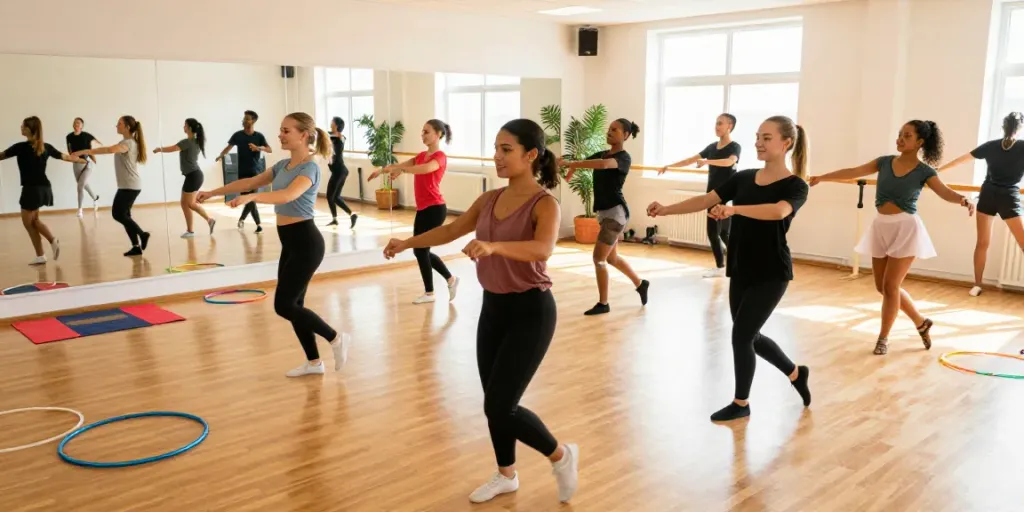
- Facilities: Look for schools with adequate facilities including spacious studios, mirrors, and sound systems.
What to Look for in Dance Instructors
Great instructors play a pivotal role in your dance journey:
- Experience: Look for instructors with a strong background in both dance and teaching.
- Teaching Style: Assess if their teaching methods align with your learning preferences.
- Communication Skills: A good instructor should provide constructive feedback and be approachable.
- Passion for Dance: Instructors who are passionate about dance will inspire you to cultivate your love for it as well.
Importance of a Supportive Dance Community
A supportive environment is crucial for personal and collective growth in dance:
- Encouragement: A positive community motivates dancers to push their limits and stay committed.
- Networking Opportunities: Connecting with fellow dancers can lead to future collaborations and friendships.
- Skill Sharing: Learning from others' experiences and techniques can enhance your dance education.
Innovative Trends in Dance Training for 2026
The world of dance is ever-evolving, and 2026 is no exception. Here are some innovative trends shaping dance training:
The Role of Technology in Dance Education
Technology is reshaping how dance is taught and experienced:
- Online Classes: Virtual platforms offer access to a wider range of teachers and styles, making dance more accessible.
- Wearable Technology: Devices that track movement can help dancers analyze and improve their technique.
- Augmented Reality: AR applications can provide immersive learning experiences, allowing students to visualize complex movements.
Emerging Styles and Influences in Dance
Dance continually absorbs new influences, resulting in exciting hybrid styles:
- Fusion Styles: Genres that blend elements from multiple styles, like K-Pop choreography, are gaining popularity.
- Inclusivity in Dance: Dance education is becoming more inclusive, promoting diverse backgrounds and abilities.
- Street Styles Evolution: Traditional street dance forms are being incorporated into formal training, broadening dancers' skill sets.
Future of Dance Competitions and Showcases
The landscape of dance competitions is changing:
- Online Competitions: Virtual competitions allow dancers to perform and compete from anywhere, democratizing access to opportunities.
- Focus on Diversity: Judges and audiences are increasingly valuing unique styles and individuality in performances.
- Increased Collaboration: More events are encouraging cross-disciplinary artistic collaborations, merging dance with other art forms.
Common Challenges and Solutions in Dance Training
While dance is rewarding, it comes with its set of challenges. Here are common issues faced by dancers and potential solutions:
Addressing Physical Limitations and Injuries
Injuries are a significant concern in dance:
- Prevention: Incorporating strength training and proper warm-up routines can help prevent injuries.
- Listening to Your Body: Dancers should be mindful of their limits and seek professional advice when needed.
- Rehabilitation: Working with a physical therapist can facilitate a safe return to dance after an injury.
Overcoming Performance Anxiety
Performance anxiety affects many dancers, but it can be managed:
- Practice Mindfulness: Techniques such as deep breathing can help calm nerves before going on stage.
- Preparation: Adequate rehearsal can build confidence and reduce anxiety during performances.
- Focus Shift: Concentrating on the joy of dancing rather than the audience can help alleviate pressure.
Balancing Dance with Other Life Commitments
Time management is vital for aspiring dancers who juggle multiple responsibilities:
- Set a Schedule: Designate specific times for dance practice that fit within your existing commitments.
- Prioritize Self-Care: Ensuring sufficient rest and recovery is crucial for maintaining overall health and performance.
- Be Flexible: Understand that some weeks may require adjustments in dance commitment due to other life priorities.