
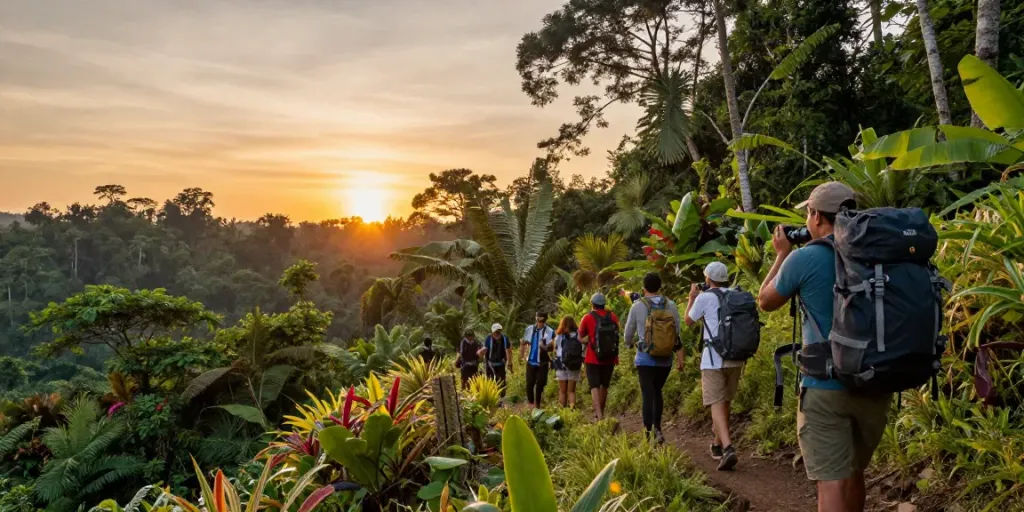
Understanding Lampung's Export Potential
The province of Lampung, located on the southern tip of Sumatra, Indonesia, has emerged as a vital player in the nation's export landscape. Specifically, the furniture sector is at the forefront, as the government pushes for diversification of export markets beyond the heavily relied-upon United States. This strategic shift aims to enhance Indonesia's economic stability and encourages local manufacturers to innovate by utilizing regional materials. As businesses in Lampung adapt to this changing dynamic, they also face the challenges and opportunities presented by global tax reforms and shifting supply chains. For valuable insights into related topics, visit lornematthews.com.
Overview of Furniture Industry in Indonesia
The Indonesian furniture industry stands as one of the most significant contributors to the national economy, garnering substantial revenue through exports. In recent years, the sector has demonstrated growth potential due to its rich resource base and skilled craftsmanship. Lampung, in particular, benefits from its diverse natural resources, which include high-quality wood varieties like teak and mahogany. This section explores the current state of the furniture industry in Indonesia, focusing on the role Lampung plays within this broader context.
Role of Local Components in Exporting
To establish a more resilient furniture export sector, Indonesian manufacturers are increasingly incorporating local components in their products. This strategy not only reduces dependency on foreign materials but also bolsters the local economy by creating jobs and promoting sustainable practices. The rising trend towards utilizing local resources is a response to both environmental concerns and consumer preferences for sustainable goods. By enhancing the value of local craftsmanship, Lampung's furniture industry can position itself as a leader in both quality and sustainability.
Impact of Global Tax Policies on Exports
One of the most significant recent developments affecting the export landscape is the implementation of global minimum tax policies. These initiatives are reshaping tax structures across countries, including Indonesia, as they aim to ensure that multinational corporations contribute fairly to the economies where they operate. The furniture industry in Lampung must navigate these changes carefully, adapting strategies to maintain competitive pricing while still adhering to new regulations. This balance will be crucial for sustaining and growing export capabilities in the face of a shifting global economic environment.
Current Trends in Lampung's Economy
Lampung has experienced an economic transformation in recent years, with various sectors, including agriculture and tourism, beginning to thrive alongside the furniture industry. The government's proactive approach to stimulating economic growth through strategic initiatives has laid a solid foundation for continued development. In this section, we will delve into current trends affecting Lampung's economy and how businesses can leverage these changes for growth.
Government Initiatives for Export Growth
The Indonesian government is implementing several initiatives aimed at bolstering export growth, particularly in the furniture sector. These initiatives include tax incentives for manufacturers, trade fairs to promote local products internationally, and support for small and medium enterprises (SMEs) in obtaining certification and quality standards. Such measures are vital for enhancing the competitiveness of Lampung's furniture exports in global markets.
Effect of Global Supply Chain Changes
The disruptions caused by the COVID-19 pandemic have sparked a reevaluation of global supply chains. Companies are now more cautious about relying on distant suppliers and are looking to shorten their supply chains to mitigate risks. This presents an opportunity for Lampung-based manufacturers to capitalize on local sourcing advantages and provide quicker turnaround times to their clients. Emphasizing flexibility and responsiveness in manufacturing processes will be key for these businesses moving forward.
Investment Opportunities in Local Industries
As the economy diversifies and expands, Lampung is seeing an influx of investment opportunities in various sectors. The furniture industry, in particular, is attracting both local and foreign investors looking to tap into Indonesia's booming market. Additionally, sectors such as renewable energy and agribusiness present substantial growth potential, encouraging a holistic approach to regional development. By fostering a conducive environment for investment, Lampung can enhance its economic landscape.
Tourism and Its Influence on Local Culture
The convergence of tourism and local culture in Lampung is generating significant momentum for the region. The rise of urban tourism is transforming the way visitors experience Lampung, highlighting both its natural beauty and cultural richness. In this section, we will explore how tourism influences local businesses and cultural preservation and the role it plays in the overall economic landscape.
Rise of Urban Tourism in Lampung
Urban tourism in Lampung is witnessing exponential growth, driven by a combination of improved infrastructure and a burgeoning interest in cultural experiences. Attractions such as Way Kambas National Park, local culinary experiences, and traditional markets are drawing both domestic and international tourists. This influx not only boosts the local economy but also encourages the preservation of cultural heritage. As urban tourism flourishes, Lampung's identity is increasingly recognized on a broader scale.
How Tourism Impacts Local Business Revenues
The impact of tourism on local business revenues cannot be overstated. As visitors flock to Lampung, local businesses, from restaurants to handicraft shops, are seeing a surge in demand. This economic boon is critical for enhancing livelihood opportunities for residents. It is essential for these businesses to capitalize on this growth by investing in quality service and products to create memorable experiences for tourists.
Promoting Cultural Heritage through Tourism
One of the most profound benefits of tourism is its capacity to promote cultural heritage. In Lampung, tourism provides a platform for showcasing traditional crafts, music, and dances, thereby instilling a sense of pride among the local population. Additionally, this cultural exchange fosters a deeper understanding and appreciation of Lampung’s diverse communities among visitors, which can lead to more sustainable tourism practices.
Environmental Concerns and Conservation Efforts
As economic activities expand in Lampung, environmental concerns are becoming increasingly urgent. The province is home to rich biodiversity and critical ecosystems that require careful management. This section addresses the challenges faced in conserving these natural resources and the initiatives undertaken to protect them.
Challenges in Protecting Natural Resources
Environmental degradation, illegal logging, and habitat loss are significant challenges threatening Lampung's natural resources. As industries grow, the strain on these ecosystems intensifies, raising critical questions about sustainable development. Addressing these challenges requires a coordinated effort between the government, local communities, and businesses to ensure that economic growth does not come at the expense of the environment.
Government Actions for Wildlife Conservation
The government of Indonesia has initiated various conservation programs aimed at protecting Lampung’s biodiversity. These efforts include establishing protected areas, promoting eco-tourism, and implementing strict regulations against illegal activities that harm wildlife. However, the effectiveness of these measures hinges on public awareness and community involvement, making education and engagement essential components of any conservation strategy.
Role of NGOs in Environmental Protection
Non-governmental organizations (NGOs) play a pivotal role in advocating for environmental protection in Lampung. These organizations work tirelessly to raise awareness about conservation issues, provide resources for sustainable practices, and collaborate with local communities to implement effective solutions. Their efforts are crucial in bridging the gap between environmental conservation and economic development.
Future Outlook for Lampung in 2026
As we look toward 2026, Lampung is poised for exciting changes across various sectors. The ongoing development of infrastructure, increasing investment, and evolving global market demands will shape the future landscape of the province. In this section, we offer predictions and strategic directions for growth in the coming years.
Predictions for the Furniture Industry
By 2026, the furniture industry in Lampung is expected to see substantial advancements in terms of technology adoption and sustainable practices. As manufacturers increasingly leverage digital tools for design and production, the efficiency and quality of outputs will significantly improve. Furthermore, the focus on eco-friendly materials and practices will meet the growing consumer demand for sustainable products, opening up new avenues for exports.
Impact of Digital Marketing on Local Businesses
The digital marketing landscape will continue to evolve, providing local businesses in Lampung with new tools for customer engagement and market reach. By embracing digital platforms, companies can effectively connect with both national and international audiences, driving growth and enhancing brand visibility. Businesses that adapt to these technologies will likely outperform their competitors in the rapidly changing market.
Strategic Directions for Sustainable Growth
To ensure sustainable growth, Lampung must prioritize a balanced approach that integrates economic development with environmental stewardship. Policymakers, businesses, and communities should collaborate on creating sustainable practices that promote both economic and ecological health. This multifaceted approach can set Lampung on a path toward a resilient and prosperous future.
What are the main challenges facing Lampung's export industry?
The primary challenges facing Lampung's export industry include market dependency, environmental concerns, and compliance with international trade regulations. As the province seeks to expand its export markets, addressing these challenges will be critical for sustainable growth.
How does tourism affect Lampung's local economy?
Tourism significantly impacts Lampung's local economy by providing increased revenue for businesses and creating jobs for residents. The influx of tourists drives demand for local products and services, fostering overall economic development.
What conservation efforts are currently being undertaken in Lampung?
Currently, various conservation efforts in Lampung include establishing protected areas, community-led sustainability initiatives, and partnerships with NGOs focused on wildlife protection and habitat restoration.
What role does the government play in supporting local industries?
The government supports local industries through tax incentives, regulatory frameworks, and infrastructure development aimed at enhancing the competitiveness of businesses within the province.
How can businesses leverage digital marketing for growth in 2026?
Businesses can leverage digital marketing by utilizing social media, search engine optimization, and e-commerce platforms to connect with customers and expand their market reach effectively.